For more than four decades, the rhythmic heartbeat of Nigeria has echoed across the global music scene. Yet, the journey from local acclaim in Lagos, Ibadan, and Onitsha to winning the golden gramophones of the Recording Academy was neither overnight nor effortless.
Spanning from Jùjú pioneers in the 1980s to the historic sweep of the 69th Grammy Awards nominations, Nigerian artists and creatives have steadily rewritten global music history.
The Pioneers Who Opened The Door
Long before “Afrobeats to the World” became a global movement, a select group of Nigerian musicians introduced the Recording Academy to the richness of West African percussion, Jùjú, and Afrobeat.
King Sunny Adé: In 1984, the Jùjú legend became the first Nigerian artist ever nominated for a Grammy Award for his album Synchro System. He returned to the ballot in 1999 with Odu, cementing his place as the grandfather of Nigerian Grammy recognition.

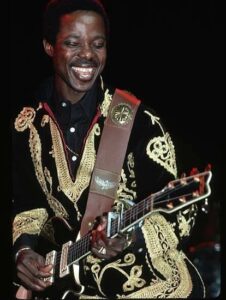
Babatunde Olatunji & Sikiru Adepoju: Percussionist Babatunde Olatunji brought traditional Yoruba drumming to international prominence, earning a Grammy win in 1991 through Mickey Hart’s Planet Drum project alongside a solo nomination for Love Drum Talk. Master talking-drum player Sikiru Adepoju followed closely, securing Grammy wins through his work on the Global Drum Project.

Sade Adu: Born in Ibadan before moving to the United Kingdom, Sade Adu became one of the most decorated artists of Nigerian descent. With four Grammy wins across nine nominations ranging from Best New Artist in 1986 to Best R&B Performance in 2011 her timeless sound proved that Nigerian roots could dominate mainstream pop and soul.
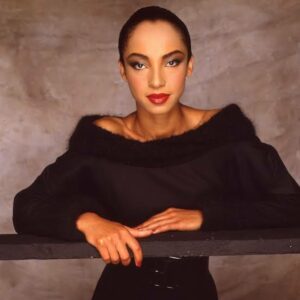
Femi Kuti & Seun Kuti: Although their father, Afrobeat creator Fela Kuti, never received a Grammy nomination in his lifetime, his sons carried his musical and political legacy onto the Academy’s radar. Femi Kuti earned four nominations in the World Music category, while Seun Kuti secured a nomination with his band Egypt 80 for Black Times.

The Afrobeats Explosion And Cultural Milestones
As the 2010s gave way to the 2020s, Nigerian creatives moved from niche “World Music” categories into mainstream global pop culture even beyond traditional singing roles.
In 2015, acclaimed Nigerian author Chimamanda Ngozi Adichie earned an unexpected Album of the Year nomination after her TEDx talk on feminism was sampled on Beyoncé’s hit track “Flawless.”

By 2021, the 63rd Annual Grammy Awards marked a permanent shift for Nigerian music. Burna Boy won Best Global Music Album for Twice as Tall, while Wizkid


took home Best Music Video for his feature on Beyoncé’s “Brown Skin Girl.” Nigerian music was no longer just competing; it was winning on the biggest stage.
A New Era Of Dominance
Following the announcement of the 69th Grammy Awards nominations in November 16, 2026 and boosted by the Academy’s Best African Music Performance category Nigeria’s presence on the global stage has shifted from breakthrough moments to sustained dominance.
Tems Makes History: Singer-songwriter Tems solidified her status as a generational force. Holding 12 career nominations and two wins (“Wait For U” and “Love Me JeJe”), she shattered records in November 2026 by becoming the first Nigerian female artist to earn four Grammy nominations in a single year.
Burna Boy’s Unmatched Run: With 14 career nominations including his latest nod for “Dìá Dìá” alongside global icon Shakira Burna Boy stands as Nigeria’s most-nominated Grammy artist of all time.
Wizkid And Davido’s Continued Reign: Wizkid climbed to seven career nominations, bolstered by his collaborative track “Jogodo” with Asake. Meanwhile, Davido reached six career nominations, earning critical recognition for projects including Timeless, “Unavailable,” and Oriadé.
The New Guard: A wider wave of Nigerian talent has now become standard on Grammy ballots. Stars including Ayra Starr, Asake, Olamide, Rema, and Yemi Alade alongside behind-the-scenes Nigerian producers and songwriters continue to make Afrobeats, Alte, and Afro-fusion permanent fixtures of global music excellence.
What began with King Sunny Adé’s talking drums in the 1980s has grown into a multi-generational powerhouse. Today, Nigerian creatives are no longer knocking on the doors of the Recording Academy they are setting the standard for the future of global music.